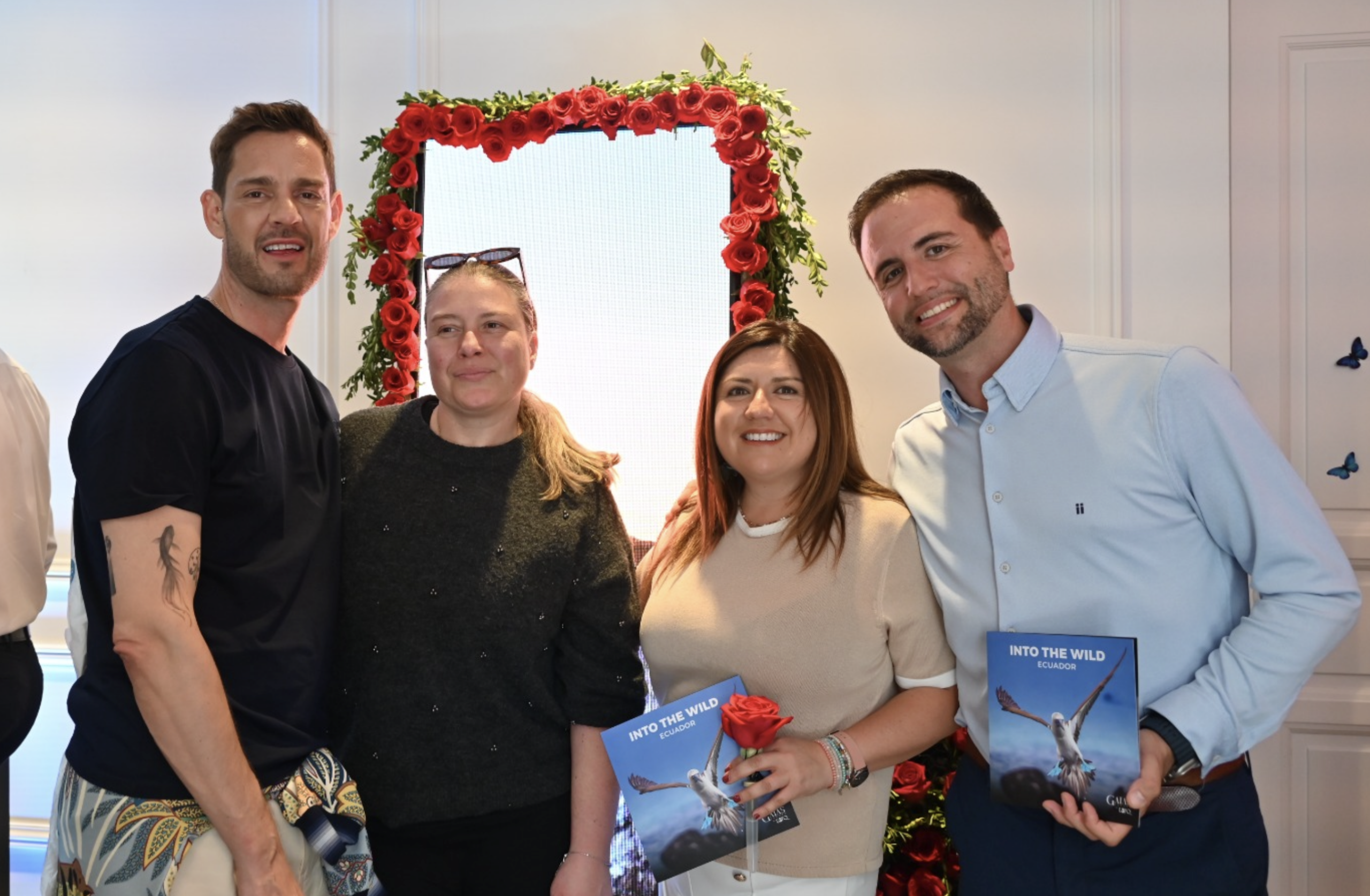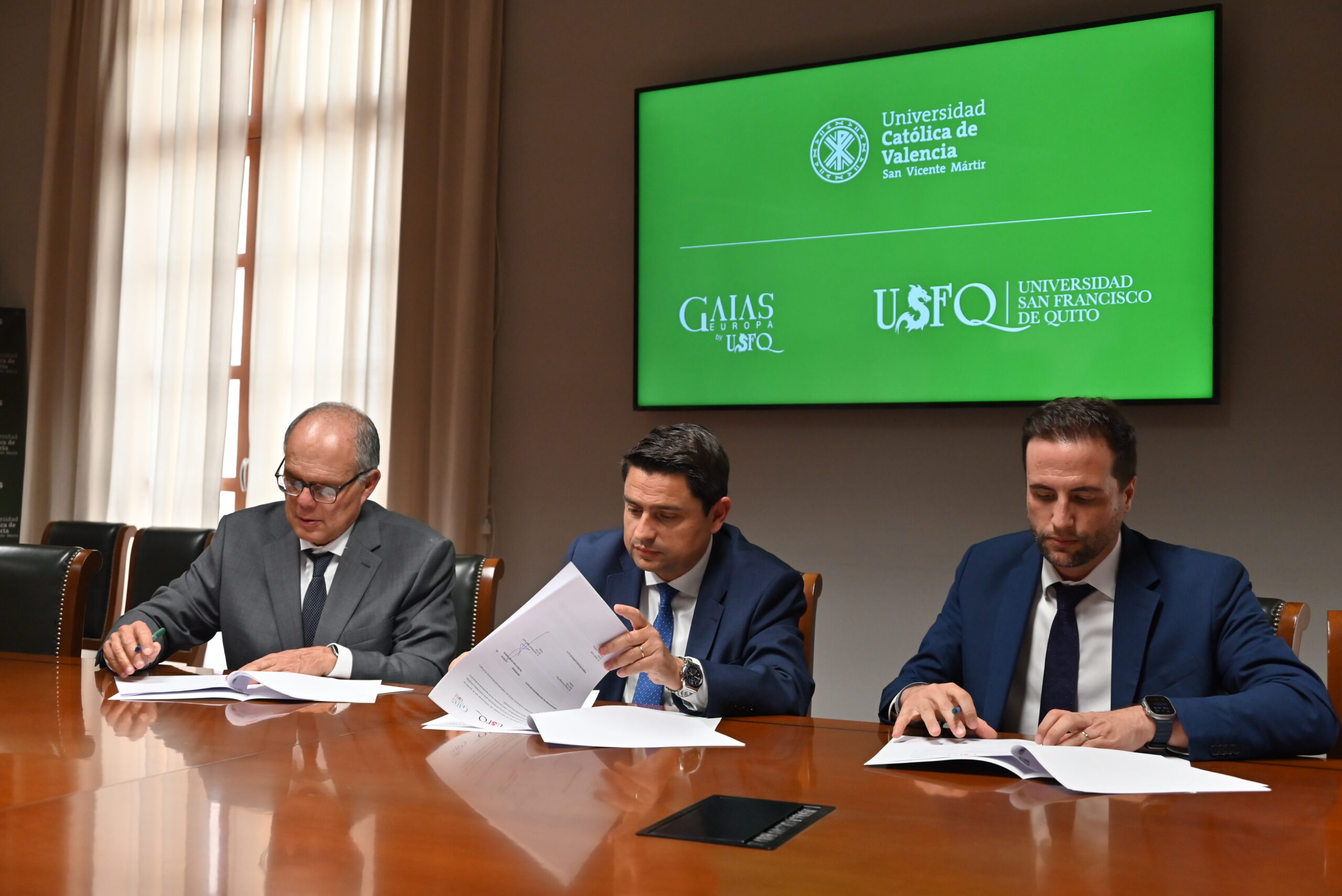
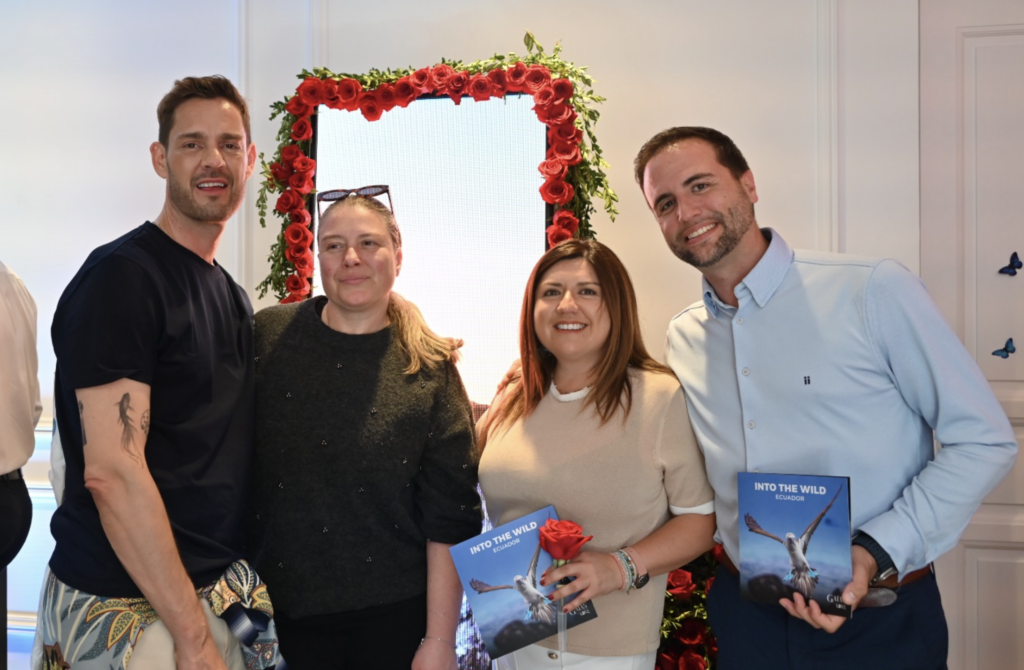
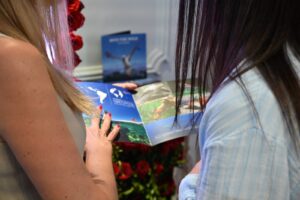
This week we attended In House’s Press Day in Madrid, an event for the media with a clear objective: to place the importance of preserving two of the planet’s most valuable ecosystems—the Galapagos Islands and the Ecuadorian Amazon—at the center of the conversation.
From Valencia, we coordinate international initiatives in research, conservation, and knowledge transfer that connect Europe, Latin America, and the United States. As a Spanish foundation affiliated with the University of San Francisco de Quito (USFQ), we structure our work around international education, corporate partnerships, and scientific research and outreach.
What sets us apart is the model we have built, as a portion of the profits generated by our academic programs and international partnerships is directly reinvested in conservation and research projects carried out in Ecuador. Every program, every partnership, and every collaboration established from Spain contributes to sustaining real on-the-ground work in the Galápagos and the Amazon.
Our Work in the Galapagos and the Amazon
Through the Galapagos Science Center at USFQ, we coordinate initiatives focused on the conservation of endemic wildlife and the monitoring of marine and terrestrial ecosystems. We work on epidemiological surveillance, veterinary research on wildlife, and the development of technology applied to conservation.
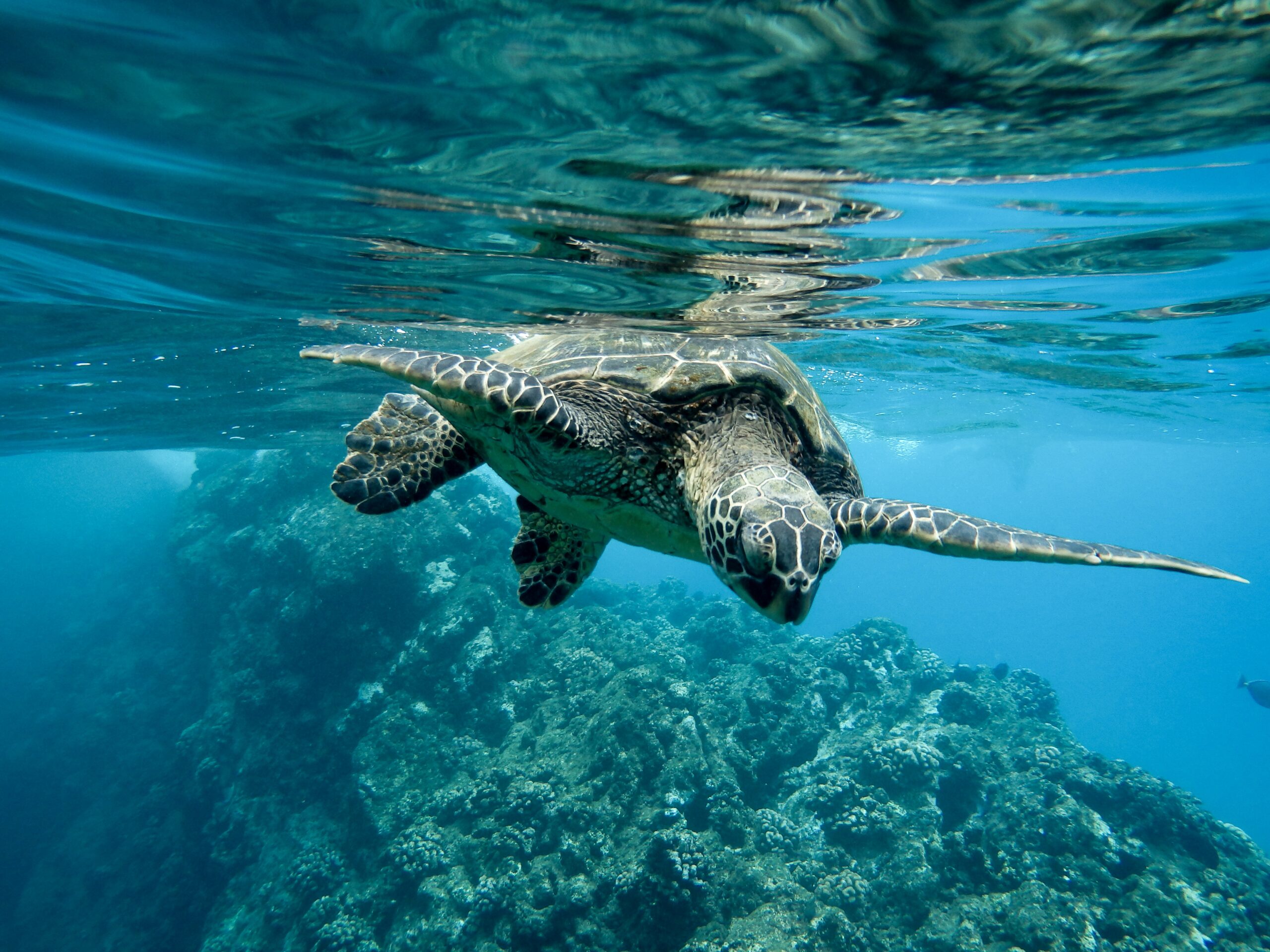
One of our most recent milestones has been the creation of the first laboratory in the Galápagos specializing in animal health, a facility designed to strengthen local scientific capacity and address diseases threatening iconic species such as giant tortoises, sharks, seabirds, and iguanas. From Spain, we are also forging partnerships with European institutions to strengthen international scientific cooperation in marine conservation and biodiversity.
Our second major line of work takes place at the Tiputini Biodiversity Station, located in the heart of the Yasuní Biosphere Reserve. From this center, we conduct long-term research on Amazonian mammals, amphibians, reptiles, birds, and insects, generating key information to understand how climate change is affecting tropical forests.
The projects carried out at Tiputini have made it possible to document some of the highest concentrations of biodiversity recorded in the world and to build scientific databases that serve as international benchmarks. We also train researchers and students from around the world there, because knowledge transfer is an essential part of our mission.

Spain as an International Bridge for Science and Sustainability
Events like this week’s remind us why it’s so important to go out and share what we do. Conservation needs funding, partnerships, and, also, a voice. As a token for those attending the meeting, we presented a rose from Ecuador of the Freedom variety, a gesture rich in symbolism, since Ecuadorian flora is an inseparable part of the biodiversity we work every day to protect, and we wanted that connection to be present in the room as well.
From our headquarters in Valencia, we continue working to ensure that Spain serves as a real bridge between the European scientific community and some of the most threatened and valuable regions on the planet.