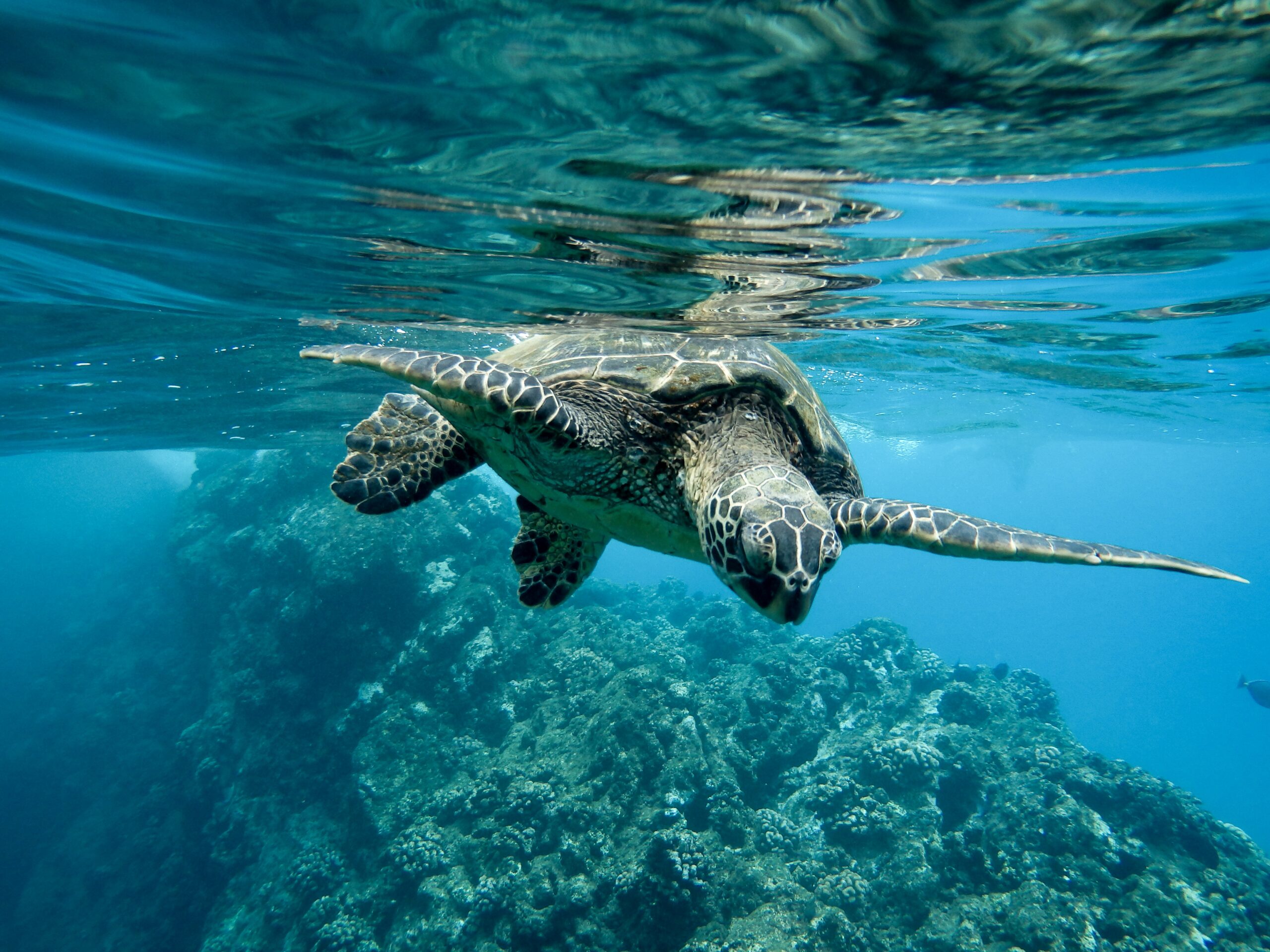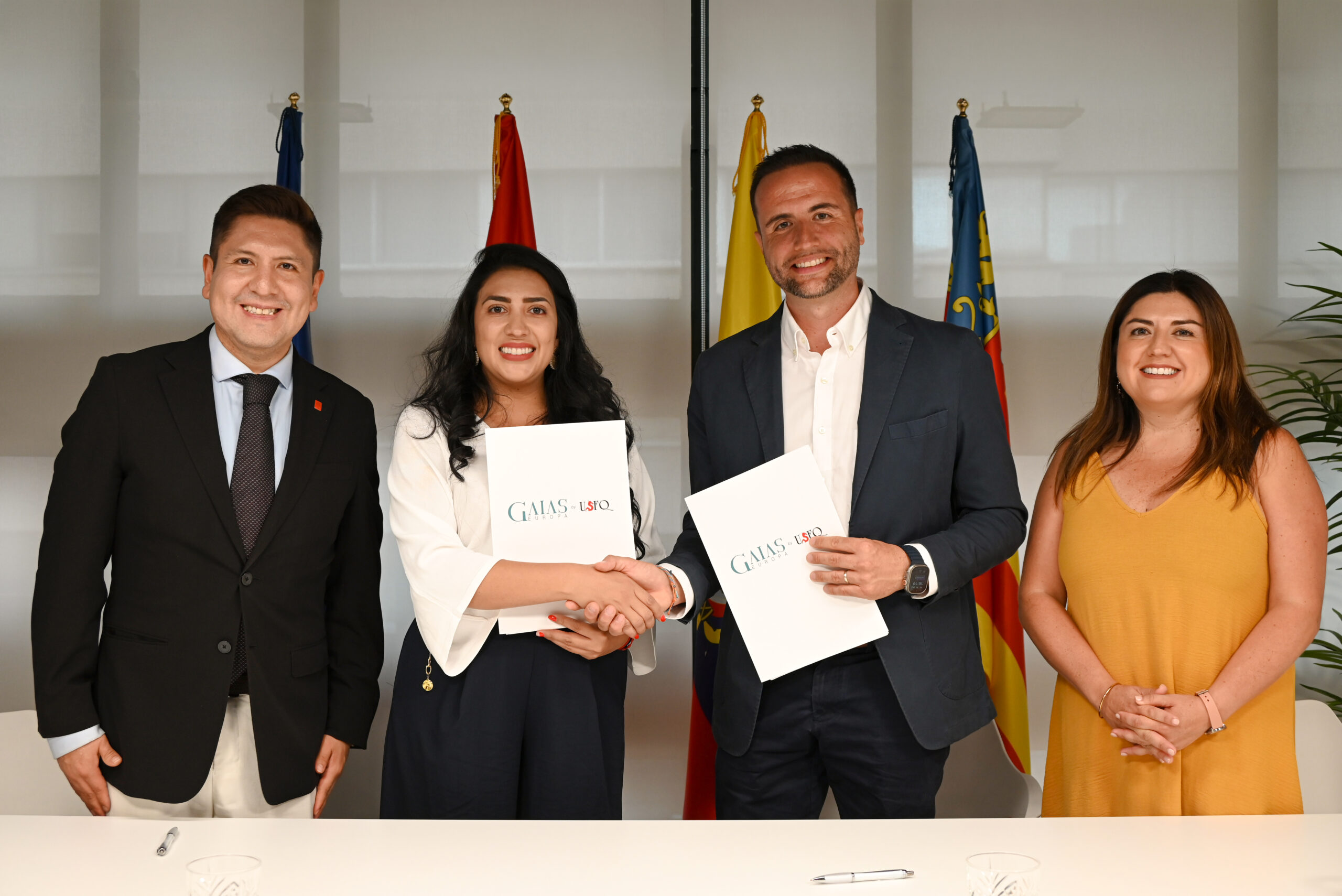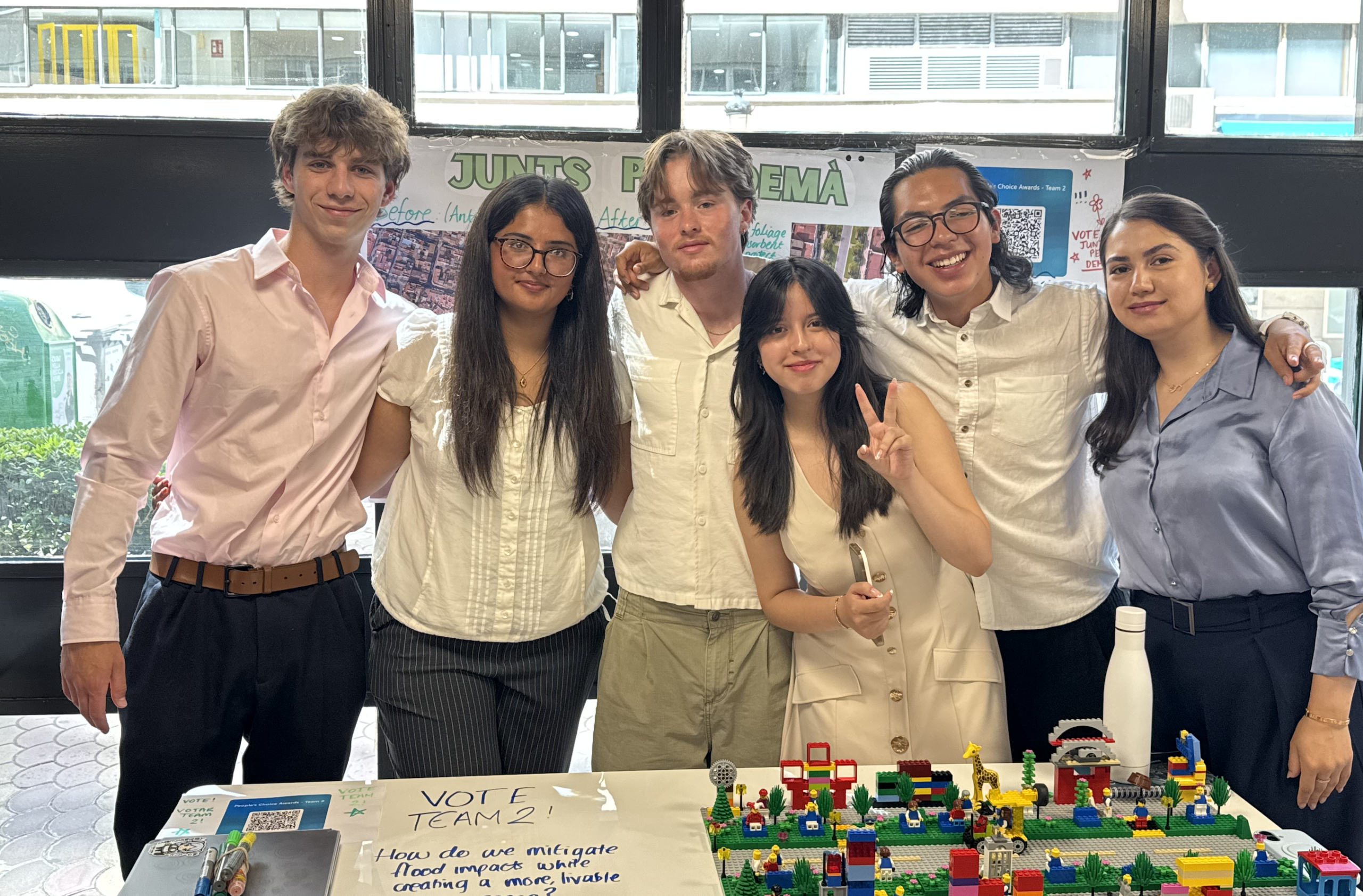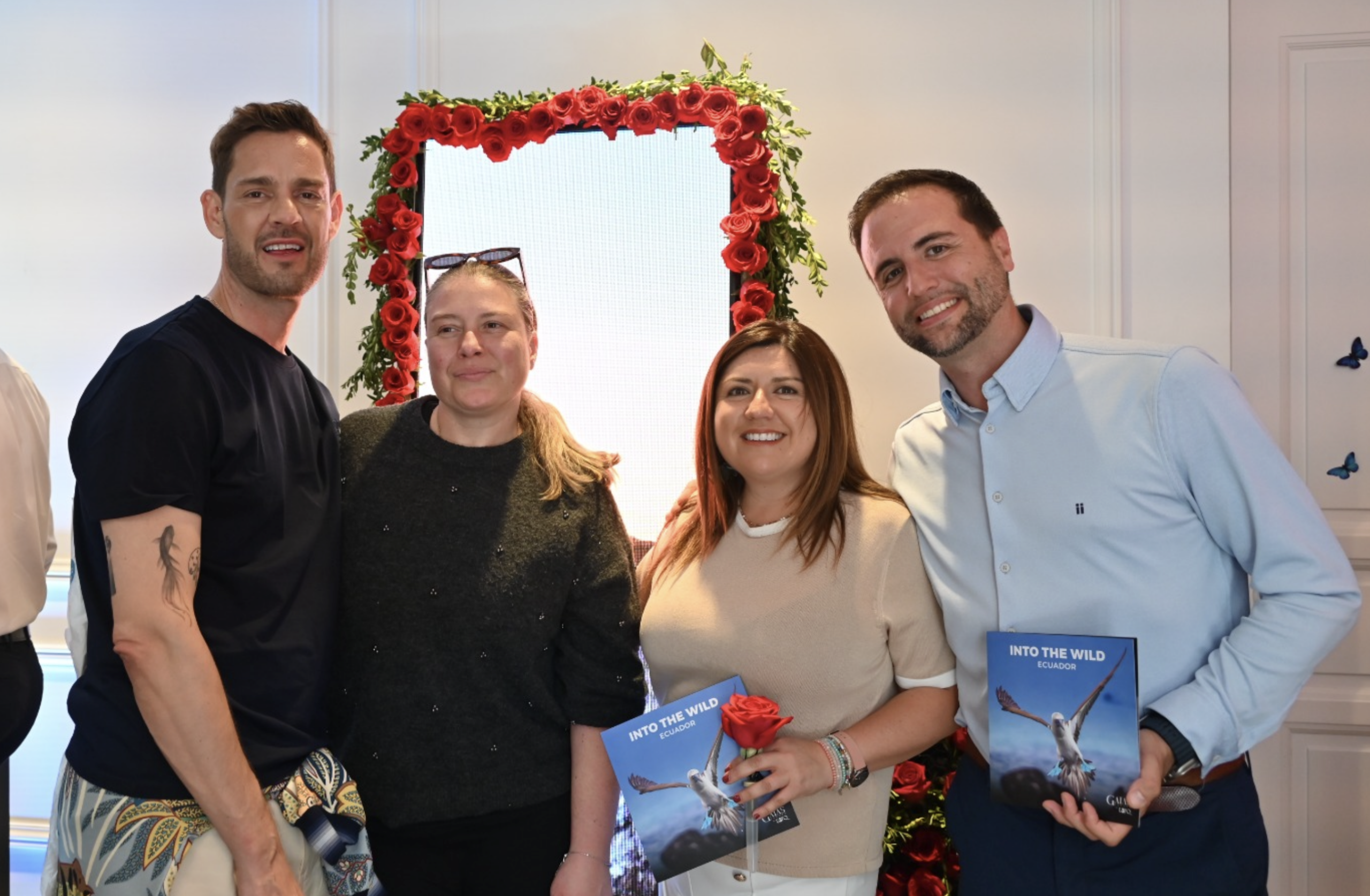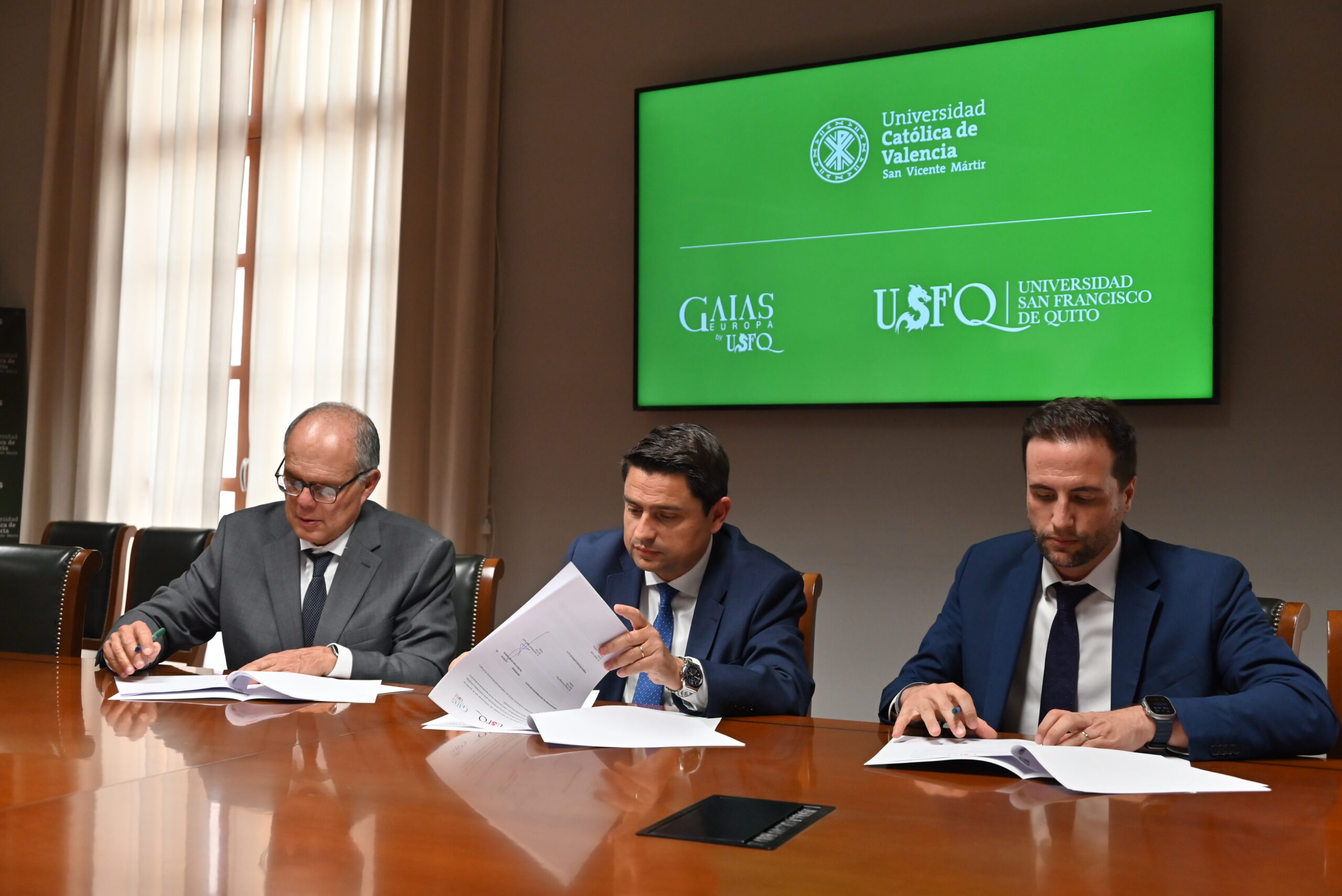
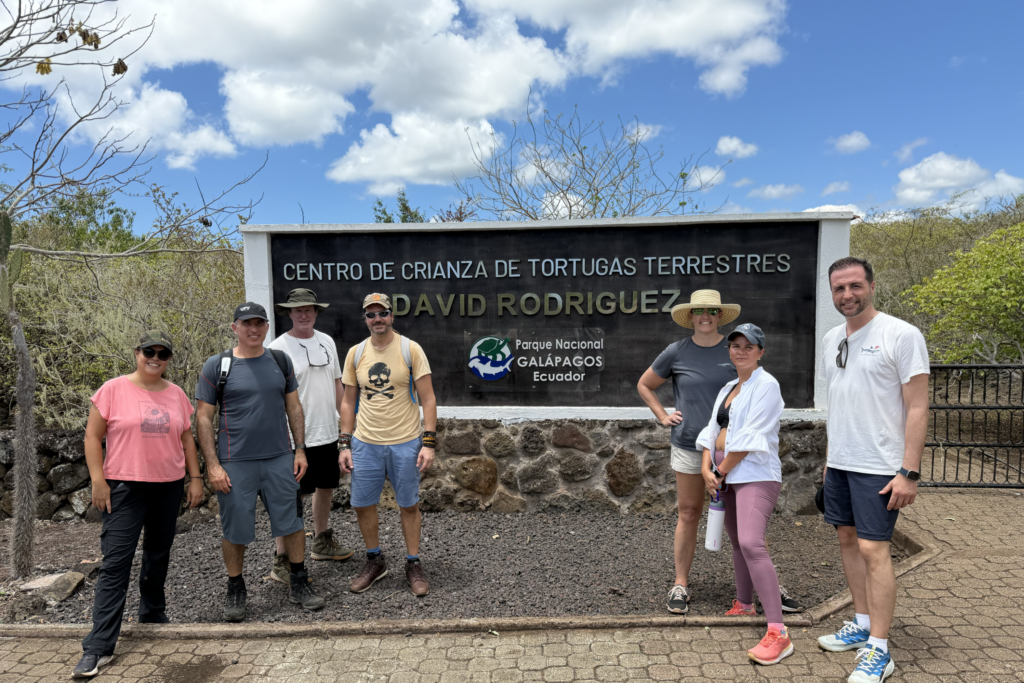
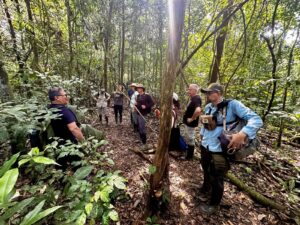
GAIAS Europa has led an institutional and scientific mission to the Galápagos Islands and the Ecuadorian Amazon to advance the development of a global conservation program. The visit, led by Rafael Jordà, Director General of GAIAS Europa, and Daniel García, Director of Zoological Operations at the Oceanogràfic in Valencia, brought together an international delegation comprising representatives from the Georgia Aquarium, the Polytechnic University of Valencia, and the University of Valencia.
Our goal was to strengthen on-the-ground collaboration with our institutional partners and assess the conditions for launching the One Health Program, an initiative that takes an integrated approach to animal health, human health, and ecosystem health. The program is being implemented in two of the most biodiverse natural environments on the planet: the Galápagos archipelago and the Yasuní Amazon basin.
For the Oceanogràfic in Valencia, this visit marks another step forward in an already well-established partnership. The Oceanogràfic Foundation leads the program by contributing its expertise in marine wildlife medicine and its network of collaborations with leading universities and international centers. This partnership is strengthened by the participation of the Georgia Aquarium, considered one of the world’s most prominent aquariums, which establishes a solid scientific foundation for the project’s development both on the islands and in the Amazon region.
During the mission, we held working meetings with teams from the Galápagos Science Center and the Tiputini Biodiversity Station, institutions affiliated with the University of San Francisco de Quito (USFQ) that serve as the program’s anchor in Ecuador and ensure its continuity and local outreach. These meetings confirmed that the participating entities share a common vision, as well as the commitment and capacity needed to move forward with the program’s implementation.
At GAIAS Europa, we serve as the USFQ’s hub for innovation and knowledge transfer in Spain, forging the institutional ties that make it possible to develop a project of this scale. Through this role, we promote international cooperation and facilitate synergy among research centers, universities, and organizations specializing in conservation.
Collaboration among the participating institutions has been highly fruitful, and the coming months will be decisive in transforming the exploratory work carried out in the field into an operational program with a real impact on the conservation of two of the planet’s most biodiverse ecosystems.